Our Dogs Haven’t Changed - But Their Lifestyles Have
If you brought a dog home a few hundred years ago, their daily schedule would have been entirely different from the one your dog has today. They would have had a clear job, predictable structure, and endless opportunities to practise the instinctive behaviours they were designed for.
Today? Most dogs are beloved family members – which is wonderful – but it also means the world they live in often clashes with the instincts we spent thousands of years selectively breeding into them.
Selective Breeding: The Blueprint of Behaviour
Spaniels were carefully bred to push through thick undergrowth, flush birds and retrieve; terriers were selected for lightning-fast arousal and the ability to go from 0–100 in a heartbeat; collies were shaped for endless focus, movement control and responsiveness to human direction. Even calmer companion breeds carry genetic “echoes” of the roles they once fulfilled.
These behaviours aren’t optional extras – they’re deeply rewarding emotional states. Performing them feels good. Evolution made sure of that.
The Modern Dog’s Dilemma
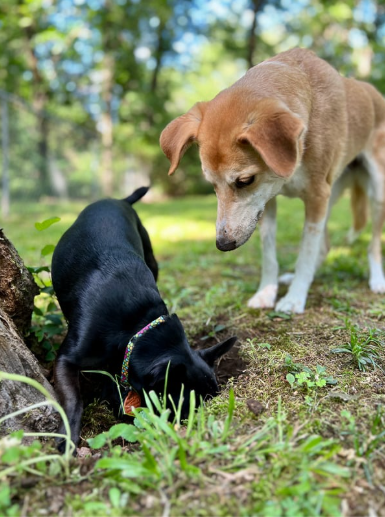
Most dogs today aren’t living the life their instincts expect. A collie with no sheep still feels the urge to control movement. A terrier with no outlet still feels the itch to chase, dig and grab. A spaniel without scenting opportunities still wants to search.
When these instincts aren’t expressed, dogs often find their own creative (sometimes inconvenient) substitutes – herding cars, chasing wildlife, shredding cushions or disappearing on a scent trail.
These aren’t “naughty” behaviours. They’re unmet needs trying to meet themselves.
You Don’t Need a Farm – You Just Need Awareness
You don’t have to recreate their original job. But by understanding what your dog is wired for, you can build simple, enriching opportunities into daily life: